Clinical research.
One study at a time.
We read and explain published research on camera-based clinical measurement, rehabilitation outcomes, patient progress, remote testing and privacy. Every post focuses on one study, with its key findings, limitations and link to the original source.
Editorial literature reviews prepared in October 2026. Study dates refer to the original publications. None of these studies evaluates or validates MedMeters itself.
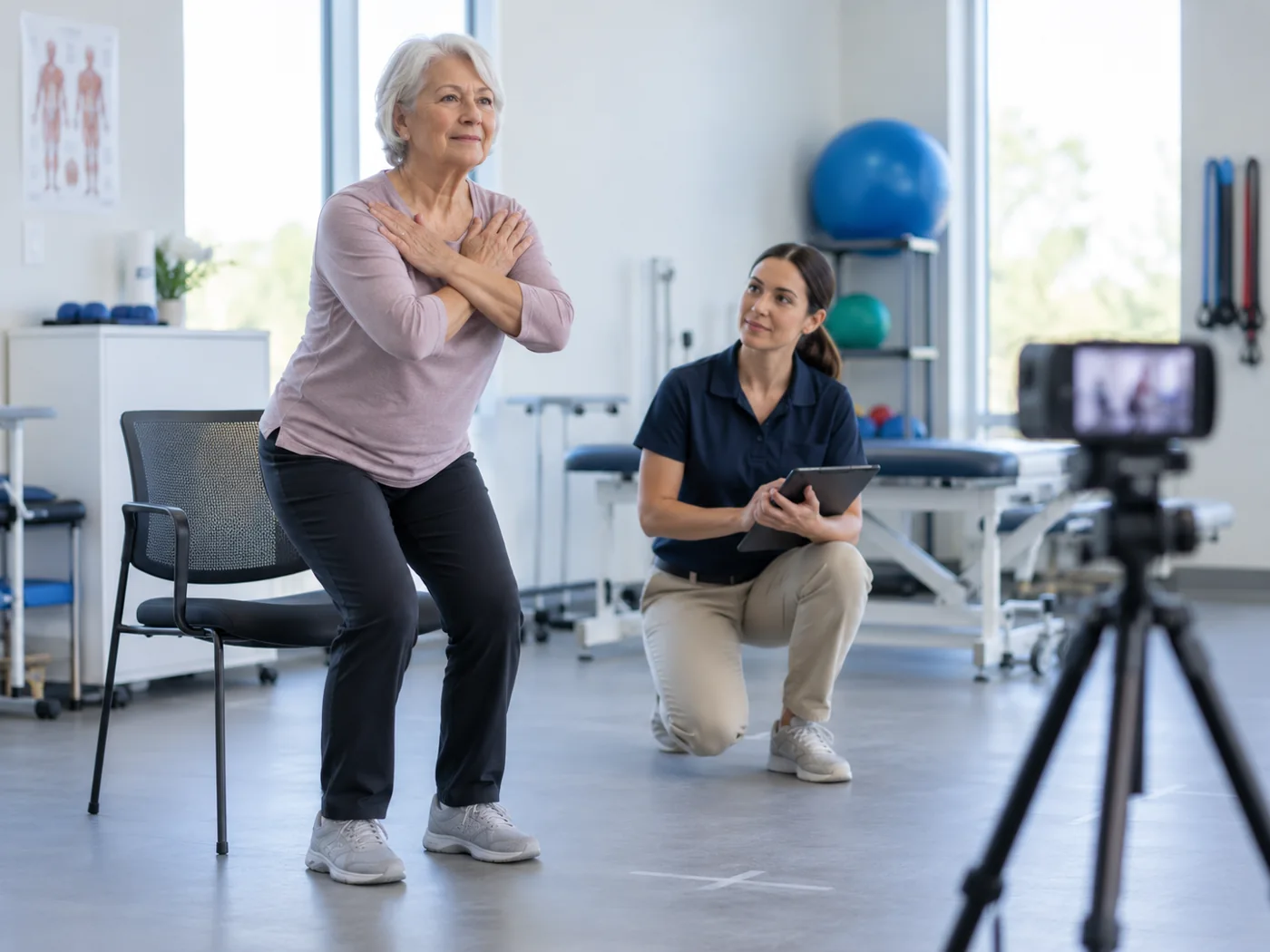 WHY MEASURE MOBILITY?
Why gait speed belongs in a clinical assessment
Walking speed is a simple physical measure associated with important outcomes in older adults.
LONGITUDINAL OUTCOMESWhen does a change in gait speed actually matter?
Tracking progress is useful only when changes can be interpreted against repeatability and clinical meaning.
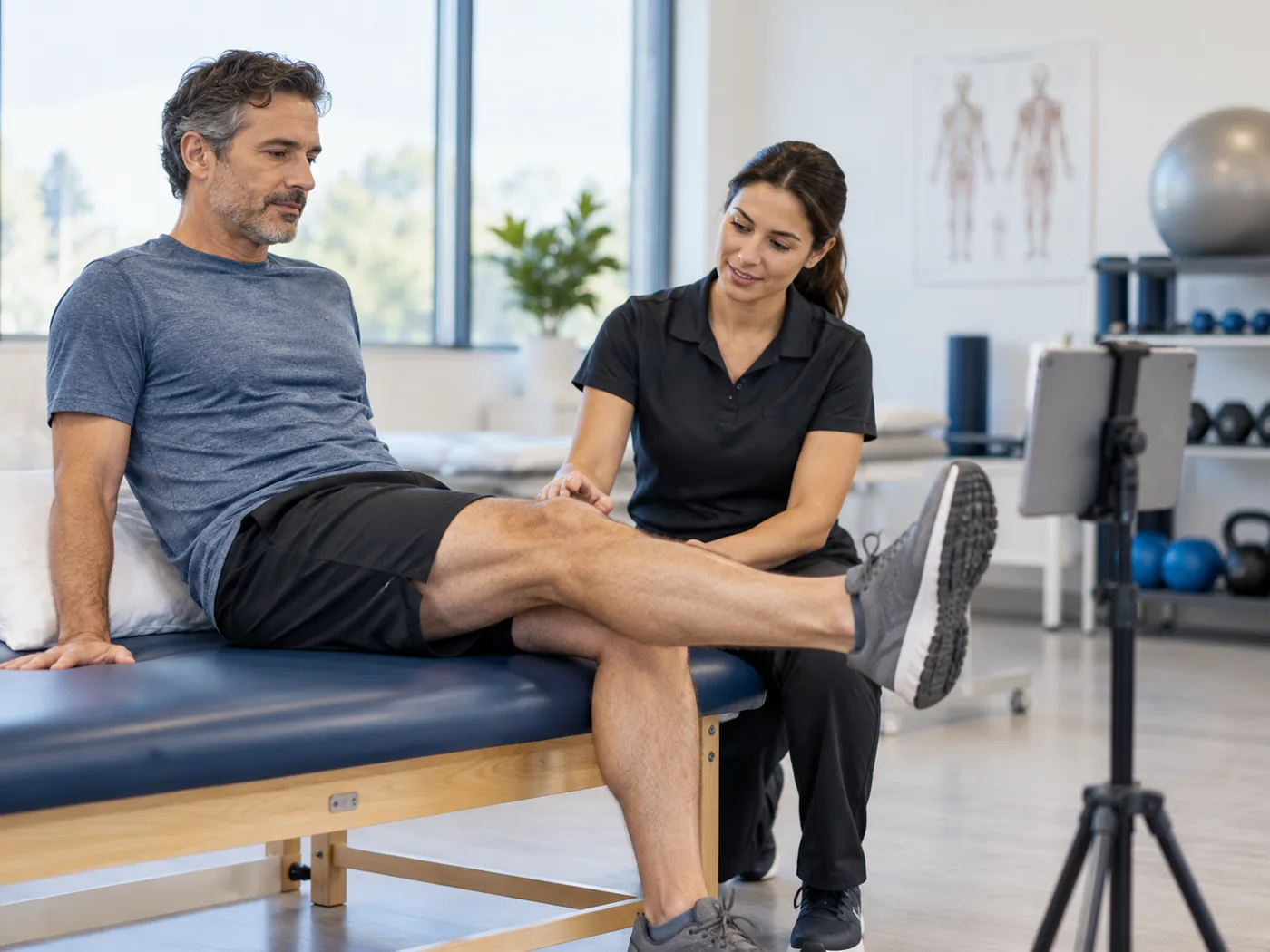 MARKERLESS MOTION
OpenCap: movement analysis using ordinary smartphones
Modern smartphones can estimate clinically relevant movement features under controlled conditions.
VALIDATION & SAFETYWhy every camera-based measurement needs its own validation
A credible clinical measurement product must document where computer vision works and where it does not.
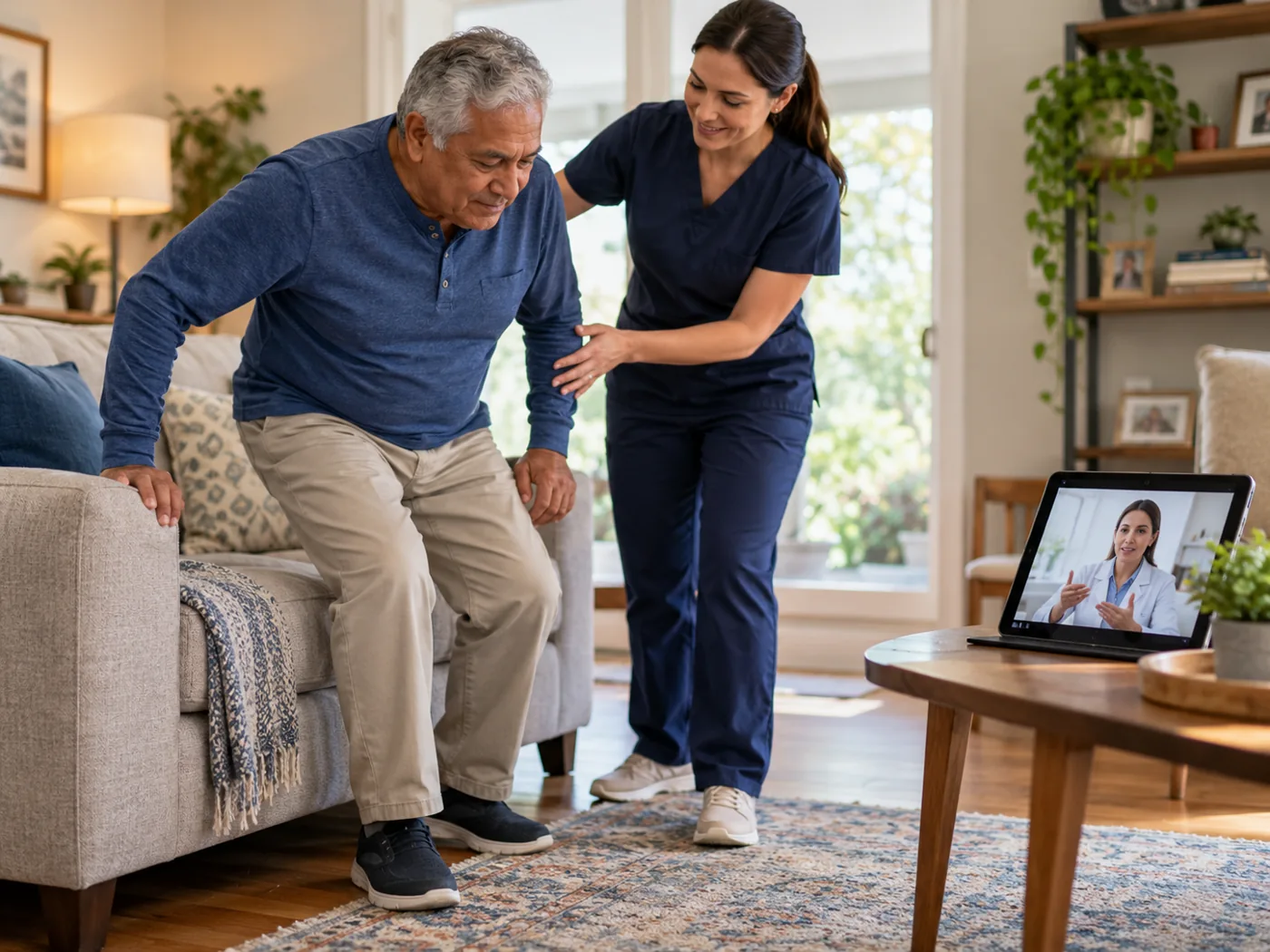 CLINIC-TO-HOME
What works—and what fails—in remote mobility testing?
Remote functional assessment is feasible for selected tests, but reliable capture needs guidance.
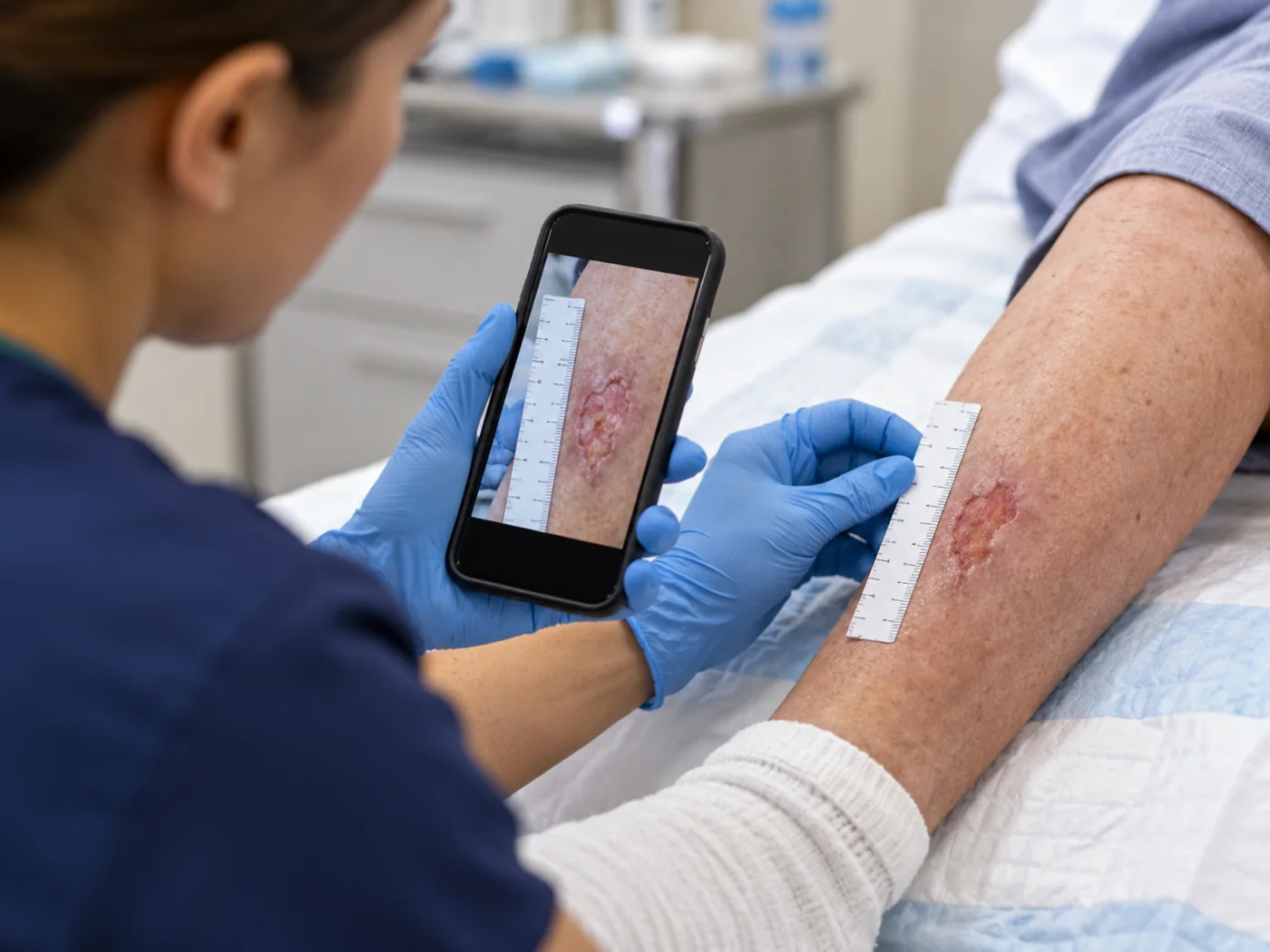 WOUND CARE
Wound area from photos: why calibration matters
Simple calibration objects can improve the consistency of wound-area measurement across image captures.
FUNCTIONAL ASSESSMENTSCan computer vision score Sit-to-Stand, TUG and SPPB?
Automated scoring of clinical mobility tests is already supported by patient-level validation research.
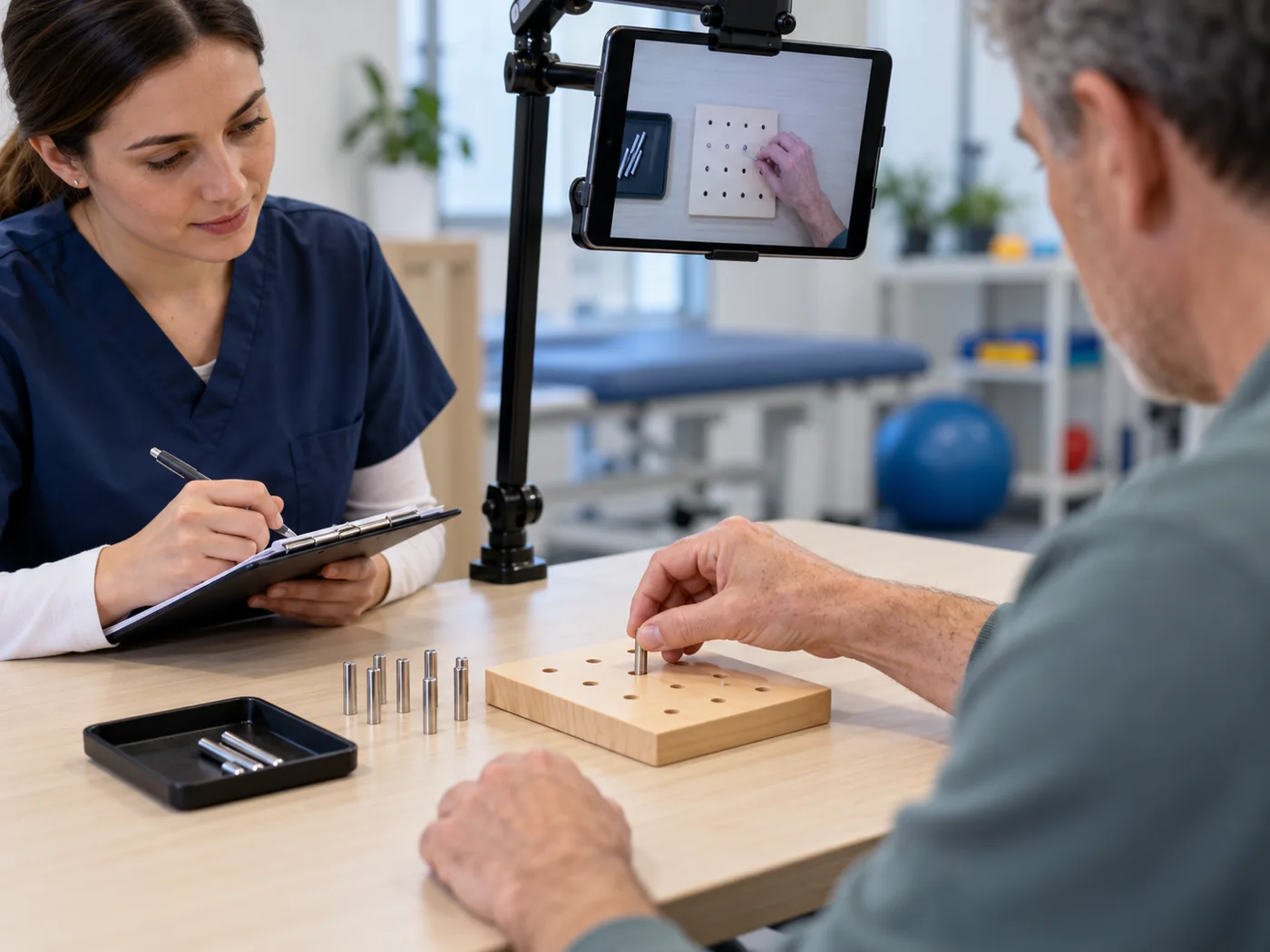 HAND THERAPY
Hand range of motion: what does the smartphone evidence say?
Smartphone photography is a practical candidate for repeatable upper-limb range-of-motion documentation.
GAIT & MOBILITYCan an ordinary video measure 10-meter walk speed?
Video-based gait-speed measurement can work beyond a motion-capture lab.
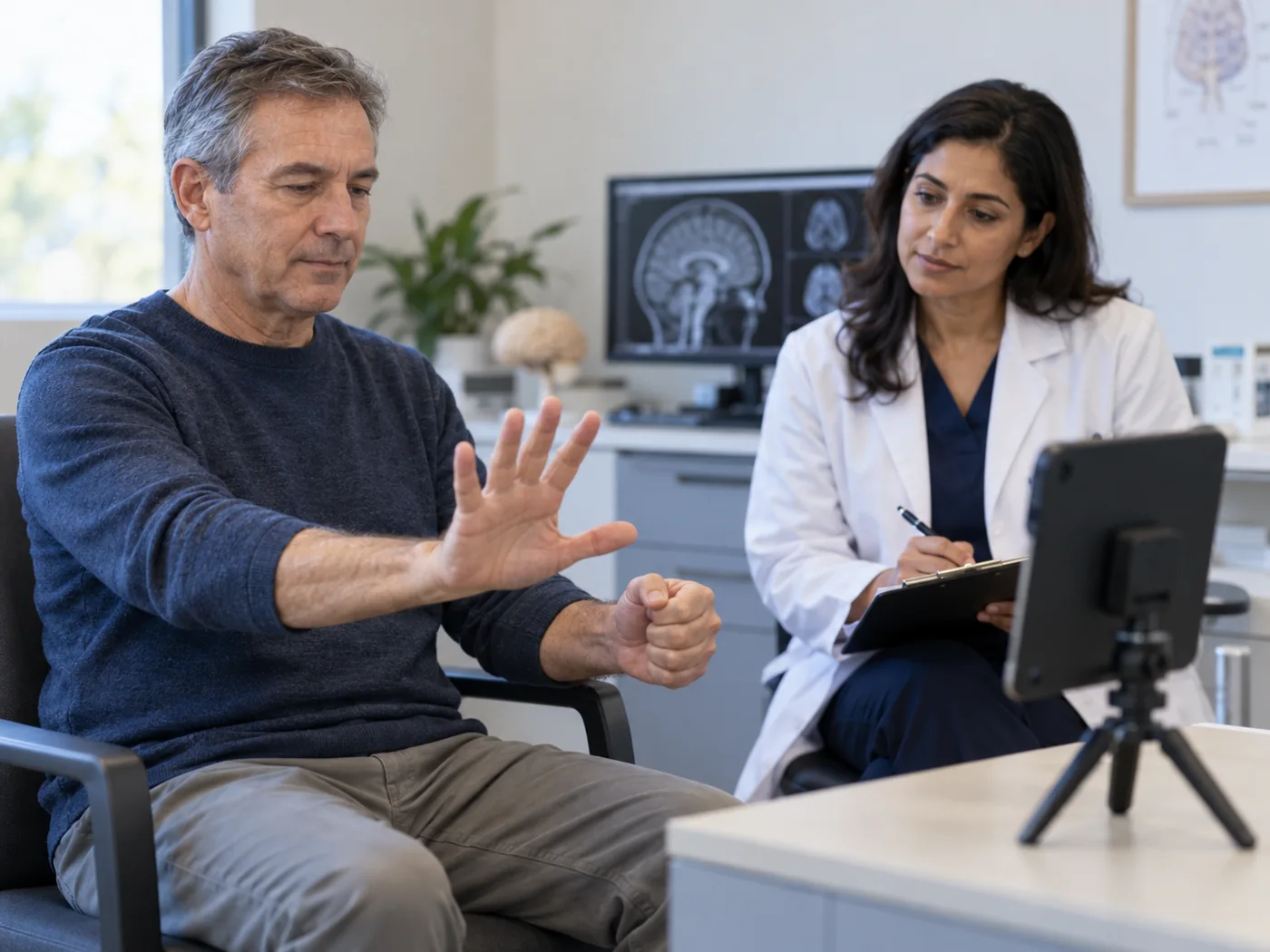 NEUROLOGY
Finger tapping as a quantitative neurological measurement
Short motor tasks can yield interpretable features from routine clinical video.
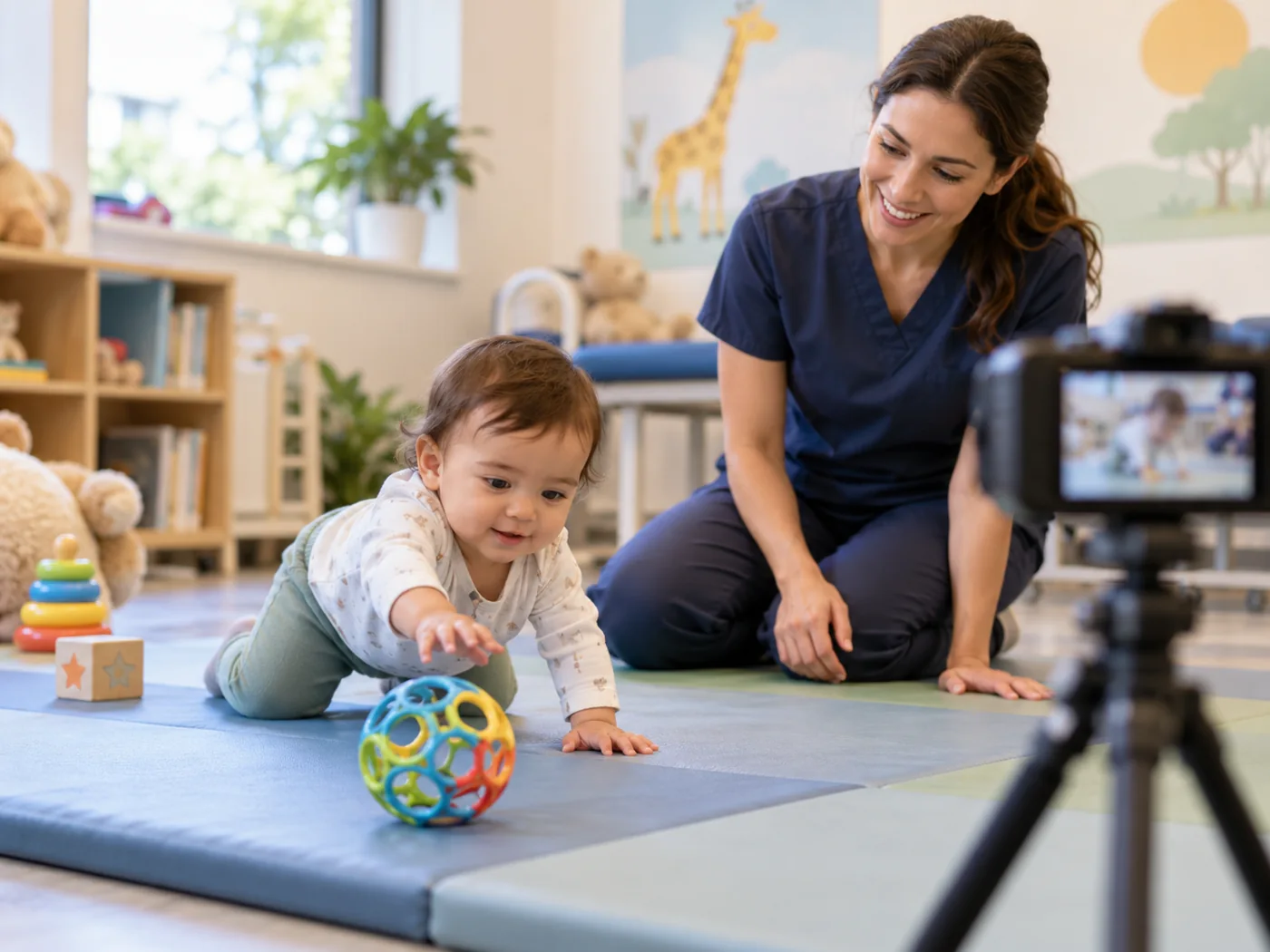 PRIVACY & CLINICAL VIDEO
SecurePose: protect faces while extracting movement signals
Patient video can be redacted and processed for movement metrics within the same workflow.